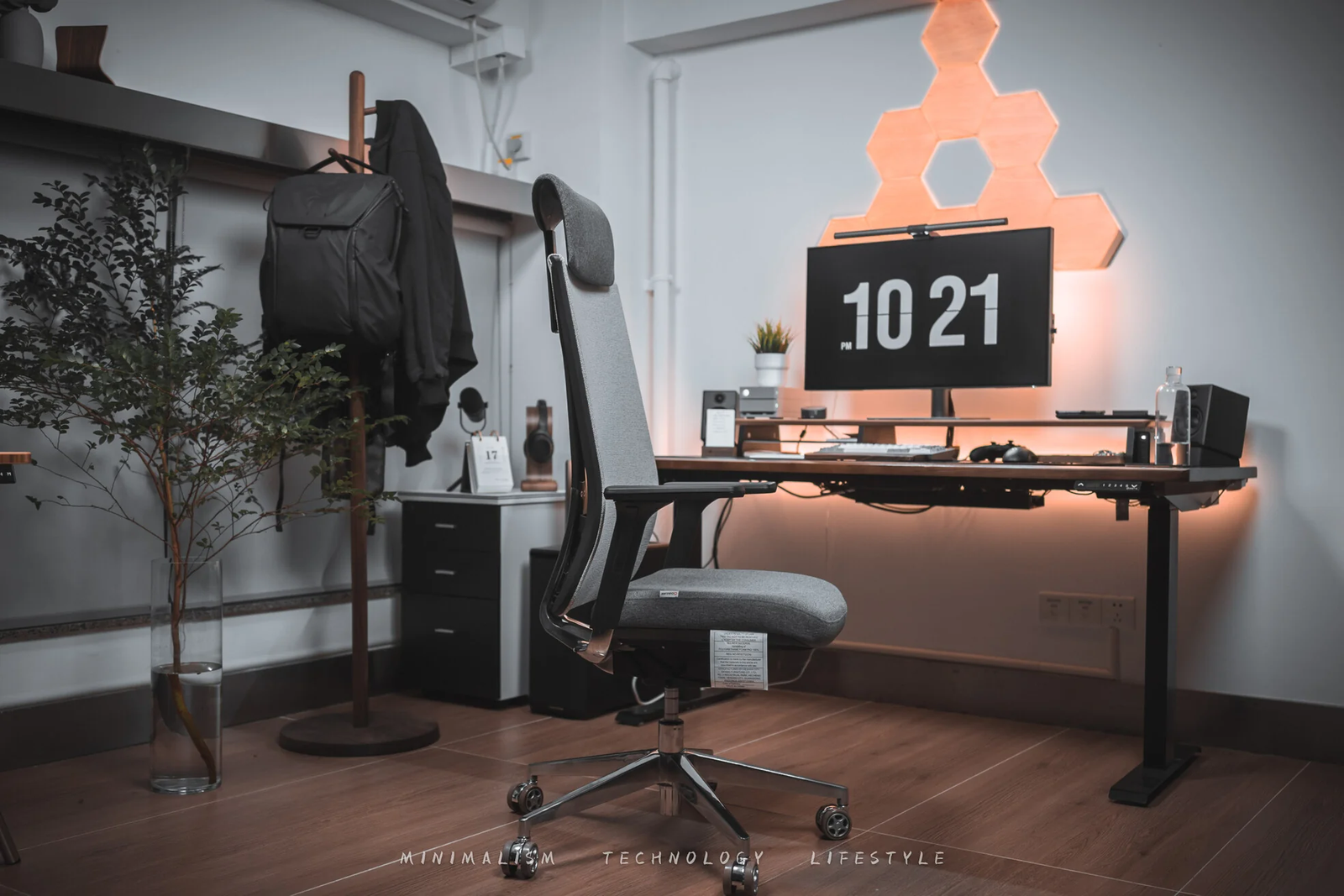

A productive home office can make a significant difference in your focus, efficiency, and overall work experience. As remote work continues to grow, having a dedicated workspace has become more important for professionals, freelancers, entrepreneurs, and students.
A well-designed home office is not just about having a desk and computer. It is about creating an environment that supports concentration, organization, comfort, and creativity. With the right setup and habits, you can transform any area of your home into a productive workspace.
Choose the Right Location
The first step in creating a productive home office is selecting the right location. Ideally, your workspace should be placed in a quiet area with minimal distractions.
If you have a separate room, it can provide better privacy and focus. However, even a small corner of a bedroom or living area can work if it is organized properly.
When choosing a location, consider:
- Noise levels
- Natural lighting
- Internet connection quality
- Privacy
- Available space
A dedicated work area helps create a clear separation between professional tasks and personal activities.
Invest in a Comfortable Desk and Chair
Comfort plays an important role in productivity. Spending several hours working at an uncomfortable desk or chair can lead to tiredness and reduced focus.
Choose a desk that provides enough space for your computer, documents, and essential equipment. A comfortable chair with proper support can improve posture and reduce physical discomfort.
Important workspace furniture includes:
- Adjustable chair
- Suitable-height desk
- Monitor stand if needed
- Storage solutions
A comfortable setup allows you to work longer with better concentration.
Set Up Proper Lighting
Lighting can affect your mood, energy, and productivity. A poorly lit workspace may cause eye strain and make it harder to focus.
Natural light is often the best option because it creates a pleasant working environment. Place your desk near a window if possible, but avoid direct sunlight on your screen.
Additional lighting options include:
- Desk lamps
- Adjustable LED lights
- Soft background lighting
Good lighting creates a comfortable atmosphere for productive work.
Organize Your Workspace
A cluttered workspace can create distractions and reduce efficiency. Keeping your home office organized helps you find important items quickly and maintain a clear mind.
Organization tips include:
- Keep only essential items on your desk
- Use drawers and storage boxes
- Organize cables properly
- Create digital file folders
- Remove unnecessary objects
A clean workspace supports better focus and productivity.
Choose the Right Technology Setup
Technology is the foundation of modern remote work. A reliable setup helps you complete tasks efficiently and communicate effectively.
Essential home office technology may include:
- Reliable computer or laptop
- High-speed internet connection
- External monitor
- Keyboard and mouse
- Webcam
- Headset
The right equipment reduces technical problems and improves your overall work experience.
Improve Internet Reliability
A stable internet connection is essential for remote workers. Video meetings, cloud applications, and online collaboration all depend on reliable connectivity.
To improve your internet experience:
- Place your router in a suitable location
- Use a wired connection when possible
- Upgrade your internet plan if needed
- Keep backup options available
Reliable internet helps prevent interruptions during important work.
Reduce Distractions
A productive home office should minimize distractions. Since home environments often include personal activities, creating boundaries is important.
Ways to reduce distractions:
- Inform family members about work hours
- Keep your phone away during focused tasks
- Turn off unnecessary notifications
- Use noise-canceling headphones
- Create a consistent work routine
A distraction-free environment helps you complete tasks faster.
Add Personal Elements
While productivity is important, your workspace should also feel comfortable and inspiring. Adding personal touches can make your home office more enjoyable.
You can include:
- Plants
- Artwork
- Motivational quotes
- Personal decorations
- Comfortable accessories
A pleasant environment can improve creativity and motivation.
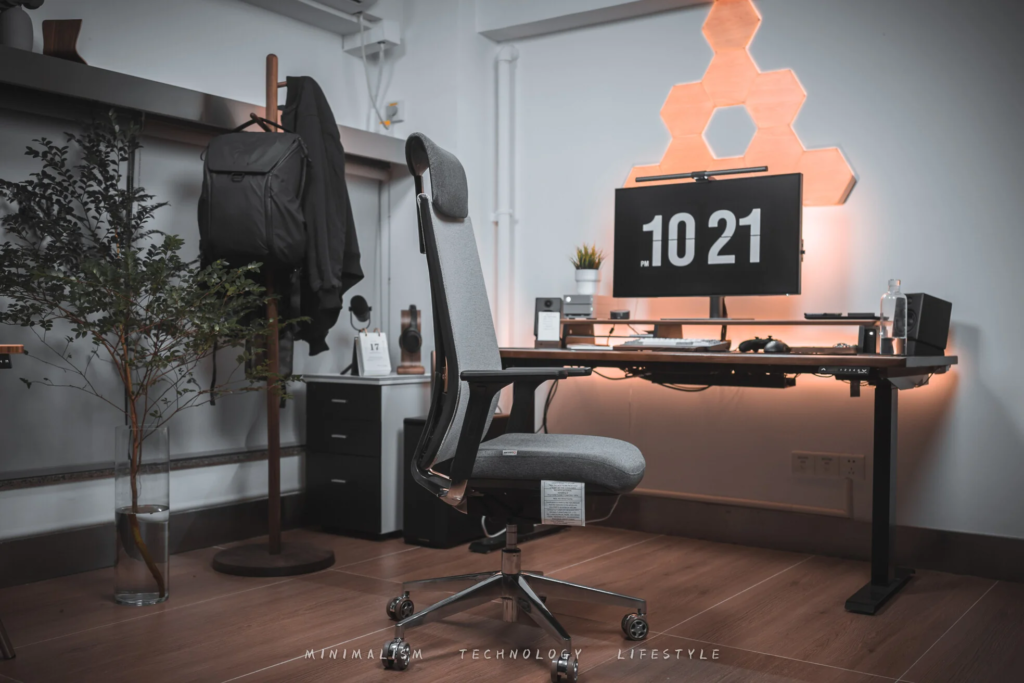
Maintain Good Ergonomics
Ergonomics focuses on creating a workspace that supports comfort and health. Proper positioning reduces physical strain and improves long-term productivity.
Helpful ergonomic practices include:
- Keeping your screen at eye level
- Maintaining good posture
- Adjusting chair height
- Taking regular movement breaks
- Positioning your keyboard comfortably
A healthy workspace allows you to work more comfortably.
Create a Work Routine
A productive office setup works best when combined with effective habits. Creating a daily routine helps your brain switch into work mode.
Useful habits include:
- Starting work at a consistent time
- Planning daily tasks
- Taking scheduled breaks
- Ending work at a specific time
A routine creates structure and improves productivity.
Keep Your Workspace Flexible
Your home office should adapt to your changing needs. As your work responsibilities grow, you may need to update your equipment, organization system, or workspace design.
Review your setup regularly and make improvements that increase comfort and efficiency.
Conclusion
Creating a productive home office requires careful planning, organization, and the right environment. A comfortable workspace, reliable technology, proper lighting, and effective routines can help you stay focused and achieve better results.
Whether you have a large office room or a small workspace corner, thoughtful improvements can transform your home office into a place that supports productivity, creativity, and professional success.