
Remote work has become one of the biggest changes in the modern workplace. The traditional idea of going to an office every day is gradually evolving as businesses and professionals discover new ways to work using digital technology. With faster internet, cloud-based tools, and online communication platforms, people can now complete their jobs from almost anywhere in the world.
The growth of remote work is not just a temporary trend. It is transforming how companies hire employees, how teams collaborate, and how individuals build their careers. The future of jobs is becoming more flexible, digital, and focused on skills rather than physical location.
The Rise of Remote Work
In the past, most jobs required employees to work from a specific office location. Companies were limited to hiring talent from nearby areas, and workers had to relocate or commute long distances for better opportunities.
Remote work has changed this traditional model. Businesses can now hire skilled professionals from different cities, countries, and time zones. Employees can work from their homes, coworking spaces, or other locations while staying connected through digital platforms.
The advancement of technology has played a major role in making remote work possible. Tools for video meetings, online collaboration, project management, and cloud storage allow teams to work together efficiently without sharing the same physical space.
More Flexible Career Opportunities
One of the biggest impacts of remote work is the increase in flexible career options. People are no longer restricted to jobs available in their local area. A professional living in one country can work for a company located thousands of miles away.
Remote work has created opportunities in many fields, including:
- Software development
- Digital marketing
- Content creation
- Graphic design
- Online education
- Customer support
- Virtual assistance
- Consulting
- Data analysis
This flexibility allows people to choose careers based on their skills and interests instead of their location.
Companies Are Changing Their Hiring Strategies
Remote work has changed how companies find and hire employees. Instead of focusing only on candidates who live near their offices, organizations can now search for talent globally.
This wider talent pool helps businesses find professionals with specialized skills. Companies can also reduce costs related to office spaces and improve employee satisfaction by offering flexible work options.
Many organizations are also adopting remote-first and hybrid work models, where digital collaboration becomes a central part of their operations.
The Importance of Digital Skills
As remote work continues to grow, digital skills are becoming increasingly important. Employees need to understand how to use online tools, communicate effectively through digital platforms, and manage their work independently.
Important skills for the future remote workforce include:
- Communication skills
- Time management
- Digital literacy
- Problem-solving
- Adaptability
- Self-discipline
- Online collaboration
Workers who continue learning and improving their digital abilities will have more opportunities in the changing job market.
The Growth of Freelancing and Online Careers
Remote work has also contributed to the growth of freelancing and independent careers. Many professionals are choosing to work for multiple clients instead of depending on a single employer.
Freelancing platforms and online marketplaces have made it easier for people to offer their skills globally. Writers, designers, programmers, marketers, and consultants can build successful careers without working in a traditional office.
This shift gives individuals more control over their schedules, projects, and income opportunities.
Changes in Workplace Culture
Remote work is changing how companies think about productivity and employee performance. Instead of measuring success by hours spent in an office, many organizations are focusing on results, completed projects, and overall contribution.
Modern workplaces are becoming more focused on trust, flexibility, and communication. Managers are learning new ways to support remote teams and maintain strong connections among employees.
Challenges of Remote Work
Although remote work provides many benefits, it also creates challenges. Some workers may experience isolation, communication difficulties, or problems separating work and personal life.
Companies must develop effective remote work policies, encourage teamwork, and provide employees with the right tools and support.
Workers also need to create healthy routines, maintain productivity, and establish clear boundaries between professional and personal time.
The Future of Remote Jobs
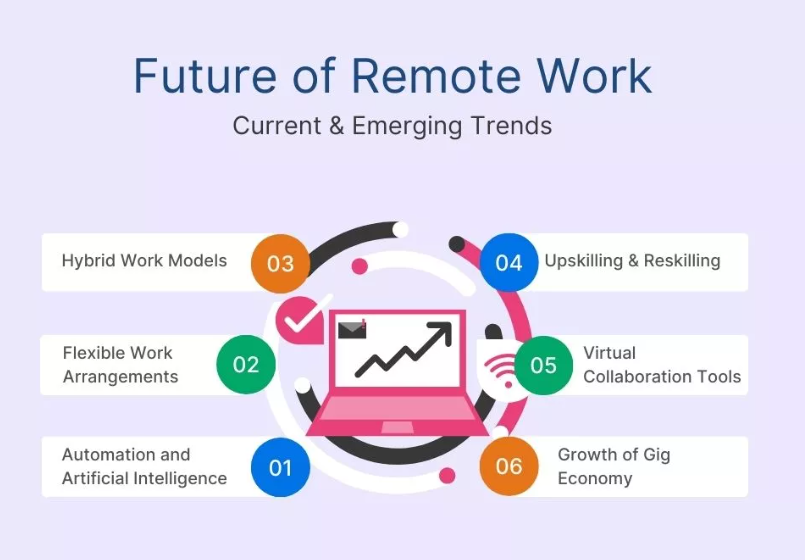
The future of work will likely include a combination of remote, hybrid, and traditional workplace models. Technology will continue to improve remote collaboration and create new opportunities for professionals worldwide.
Artificial intelligence, automation, and digital platforms will further transform how people complete tasks and build careers. Workers who adapt to new technologies and develop valuable skills will be better prepared for future job opportunities.
Conclusion
Remote work is changing the future of jobs by creating a more flexible, connected, and global workforce. It has opened new career possibilities, changed hiring practices, and encouraged businesses to focus more on skills and productivity.
As technology continues to advance, remote work will remain an important part of the modern professional world. For individuals and companies willing to adapt, this new way of working offers exciting opportunities for growth, innovation, and success.