
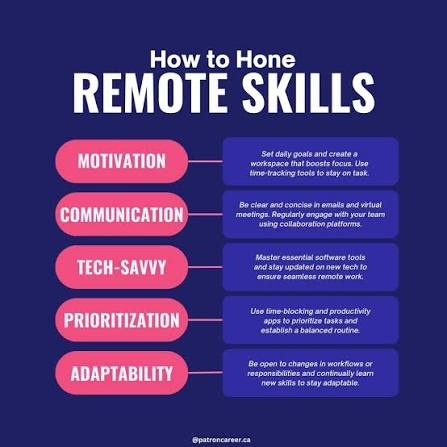
Remote work has transformed the modern workplace by allowing professionals to work from different locations while staying connected through digital technology. However, working remotely requires more than just a computer and internet connection. Successful remote workers need a combination of technical abilities, communication skills, and personal habits to remain productive and effective.
Unlike traditional office environments, remote work requires individuals to manage their own schedules, communicate clearly online, and take responsibility for completing tasks independently. Developing the right skills can help professionals build successful remote careers and adapt to the changing world of work.
1. Communication Skills
Effective communication is one of the most important skills for remote work. Since remote teams often communicate through messages, emails, and video meetings, workers need to express their ideas clearly and professionally.
Strong communication skills help remote workers:
- Share updates with team members
- Ask questions effectively
- Explain ideas clearly
- Avoid misunderstandings
- Build professional relationships
Being able to communicate confidently through digital platforms is essential for successful remote collaboration.
2. Time Management Skills
Remote workers often have more flexibility than office employees, but this flexibility requires strong time management abilities. Without direct supervision, professionals must organize their schedules and complete tasks on time.
Good time management includes:
- Creating daily schedules
- Setting priorities
- Managing deadlines
- Breaking large projects into smaller tasks
- Avoiding unnecessary distractions
Effective time management helps remote workers maintain productivity while achieving a healthy work-life balance.
3. Self-Discipline and Motivation
Self-discipline is a key requirement for remote work success. Since remote employees usually work without constant supervision, they need the ability to stay focused and complete responsibilities independently.
Successful remote workers develop habits such as:
- Following consistent routines
- Setting personal goals
- Staying committed to deadlines
- Avoiding procrastination
- Taking responsibility for results
Strong self-discipline allows professionals to perform well even without a traditional office environment.
4. Digital Literacy
Technology plays a central role in remote work. Employees need basic digital skills to use online tools, manage files, and communicate effectively.
Important digital skills include:
- Using collaboration platforms
- Managing cloud-based documents
- Understanding online security practices
- Using productivity applications
- Troubleshooting basic technical issues
Improving digital literacy helps remote workers adapt to different tools and workplace systems.
5. Problem-Solving Skills
Remote workers often need to handle challenges independently. Without immediate access to coworkers or managers, they must find solutions and make decisions effectively.
Problem-solving skills help professionals:
- Analyze situations
- Find creative solutions
- Handle unexpected issues
- Make informed decisions
- Complete tasks efficiently
Employers value remote workers who can take initiative and solve problems independently.
6. Adaptability
The remote work environment changes quickly due to new technologies, business processes, and workplace expectations. Adaptability allows professionals to adjust to new situations and continue performing effectively.
Adaptable remote workers can:
- Learn new software quickly
- Adjust to changing priorities
- Work with different teams
- Accept feedback
- Improve their skills continuously
Being flexible is an important advantage in the modern digital workplace.
7. Organization Skills
Organization helps remote workers manage tasks, files, schedules, and responsibilities effectively. Without a structured office environment, workers need their own systems for staying organized.
Useful organization habits include:
- Maintaining task lists
- Organizing digital files
- Planning projects
- Tracking deadlines
- Keeping workspaces clean
Good organization reduces stress and improves efficiency.
8. Collaboration Skills
Although remote workers may work from different locations, teamwork remains important. Professionals need to collaborate effectively with colleagues through digital platforms.
Strong collaboration involves:
- Sharing ideas
- Supporting team members
- Participating in online meetings
- Respecting different work styles
- Providing helpful feedback
Remote teams succeed when employees work together despite physical distance.
9. Focus and Attention Management
Working remotely can involve many distractions, especially when working from home. The ability to maintain focus is essential for completing tasks efficiently.
Remote workers can improve focus by:
- Creating a dedicated workspace
- Limiting distractions
- Following a structured routine
- Taking regular breaks
- Using productivity techniques
Strong focus helps professionals achieve better results in less time.
10. Cybersecurity Awareness
Remote workers handle company information through online systems, making cybersecurity knowledge increasingly important.
Basic cybersecurity skills include:
- Creating strong passwords
- Recognizing online threats
- Protecting sensitive information
- Using secure networks
- Following company security policies
Good security practices help protect both employees and organizations.
11. Emotional Intelligence
Emotional intelligence helps remote workers understand their own emotions and interact effectively with others. Since remote communication can sometimes feel less personal, emotional awareness is valuable.
It helps professionals:
- Build positive relationships
- Handle conflicts
- Show empathy
- Communicate respectfully
- Work effectively with diverse teams
12. Continuous Learning Ability
The digital workplace is constantly evolving. Successful remote workers continue learning new skills to remain competitive.
Continuous learning can include:
- Taking online courses
- Learning new software
- Improving professional skills
- Following industry trends
- Exploring new technologies
A growth mindset helps remote professionals create long-term career success.
Conclusion
Successful remote work requires a combination of technical knowledge, personal discipline, and strong communication abilities. Skills such as time management, adaptability, digital literacy, problem-solving, and collaboration help professionals perform effectively in remote environments.
As remote work continues to grow, developing these skills can open new career opportunities and help individuals build productive, flexible, and successful digital careers.