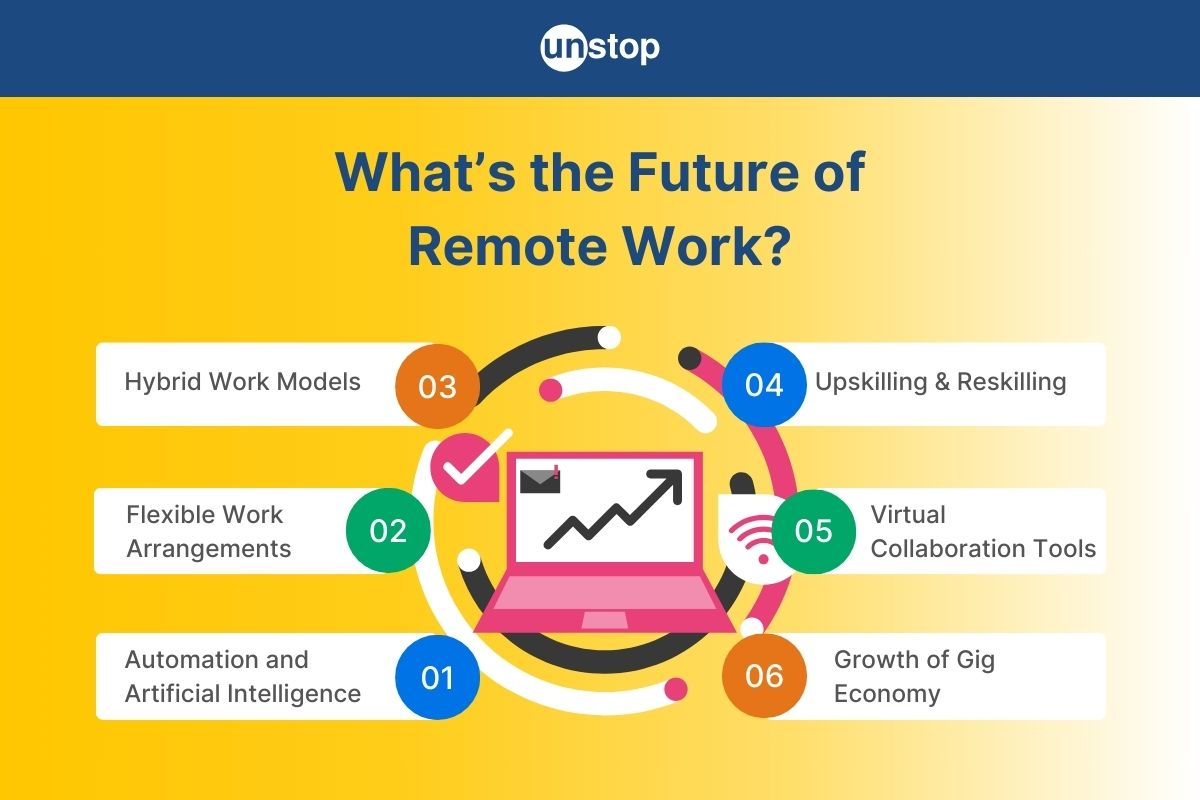

Remote work has changed the way people think about careers, workplaces, and professional success. What was once considered an alternative working method has now become a major part of the global job market. With advances in technology, improved internet access, and changing employee expectations, remote work is expected to continue growing in the coming years.
The future of remote work is not only about working from home. It represents a broader transformation in how companies operate, how teams collaborate, and how professionals build their careers. Businesses are moving toward more flexible, digital, and results-focused work environments.
The Growth of Remote Work
Remote work has expanded rapidly because technology has made it easier for people to stay connected from anywhere. Cloud platforms, video conferencing tools, project management software, and digital communication systems allow teams to work together without being in the same location.
Many companies have discovered that remote work can improve flexibility, reduce operational costs, and provide access to a larger talent pool. As a result, remote and hybrid work models are becoming permanent parts of modern employment strategies.
In the future, more organizations are expected to offer flexible working options to attract skilled professionals and improve employee satisfaction.
Remote and Hybrid Work Will Become Normal
The future workplace will likely include a combination of remote and office-based work. While some companies will operate fully remotely, many will adopt hybrid models that allow employees to divide their time between home and office environments.
Hybrid work provides a balance between flexibility and personal collaboration. Employees can enjoy the benefits of remote work while still having opportunities for team meetings, networking, and face-to-face discussions.
This flexible approach will become an important factor when professionals choose employers and evaluate job opportunities.
Artificial Intelligence Will Transform Remote Work
Artificial intelligence will play a major role in the future of remote employment. AI-powered tools are helping workers automate repetitive tasks, improve productivity, and make better decisions.
Remote professionals may use AI for:
- Writing and content creation
- Data analysis
- Scheduling tasks
- Meeting summaries
- Research assistance
- Workflow automation
As AI technology improves, remote workers will be able to complete tasks more efficiently and focus on creative and strategic responsibilities.
Global Job Opportunities Will Increase
One of the biggest changes caused by remote work is the ability to work beyond geographical boundaries. Companies are no longer limited to hiring employees who live near their offices.
In the future, professionals will have more access to international job opportunities. A skilled worker can collaborate with companies, clients, and teams from different countries without relocating.
This global approach will create more competition but also provide greater opportunities for talented individuals.
Skills Will Matter More Than Location
Traditional hiring often focused on location and availability. Remote work is changing this by placing more importance on skills, experience, and performance.
Future remote workers will need strong abilities in areas such as:
- Digital communication
- Technology usage
- Time management
- Problem-solving
- Adaptability
- Independent work
Professionals who continuously improve their skills will have better chances of success in the evolving job market.
The Rise of Digital Nomad Careers
Remote work has made the digital nomad lifestyle possible for many professionals. Digital nomads use technology to work while traveling or living in different locations.
Careers suitable for digital nomads include:
- Freelancing
- Online consulting
- Software development
- Writing
- Marketing
- Design
- Online education
As remote opportunities expand, more people may choose flexible lifestyles that combine work and travel.
Better Remote Collaboration Technology
The future of remote work depends heavily on better digital tools. Technology companies are continuously developing platforms that make online teamwork easier and more effective.
Future collaboration tools may offer improved features for:
- Virtual meetings
- Team communication
- Project management
- File sharing
- Artificial intelligence assistance
These improvements will help remote teams feel more connected and productive.
Focus on Employee Well-Being
As remote work grows, companies are paying more attention to employee health, satisfaction, and work-life balance.
Remote workers may face challenges such as isolation, stress, and difficulty separating work from personal life. Future workplaces will focus more on supporting employees through flexible schedules, wellness programs, and better communication practices.
Successful companies will understand that productivity depends not only on technology but also on creating a positive work environment.
Remote Work Challenges in the Future
Although remote work offers many benefits, challenges will continue to exist. Companies and workers will need to address issues such as:
- Maintaining team connections
- Protecting digital security
- Managing productivity
- Preventing burnout
- Ensuring equal career growth opportunities
Organizations that develop strong remote work strategies will be better prepared for the future.
The Future of Offices
The growth of remote work does not mean offices will disappear completely. Instead, offices are likely to become more focused on collaboration, creativity, and team interaction.
Future offices may serve as spaces where employees meet for important discussions, training sessions, and relationship building rather than daily individual work.
This change represents a shift from traditional workplaces toward more flexible and purpose-driven environments.
Conclusion
The future of remote work is flexible, digital, and focused on skills and results. Technology, artificial intelligence, global hiring, and changing workplace expectations are creating new possibilities for employees and businesses.
Remote work will continue to shape the future of jobs by providing greater freedom, expanding career opportunities, and changing how people define the workplace. Professionals who develop digital skills, adapt to new technologies, and embrace continuous learning will be best prepared for the future of work.